A regular manicure and a Russian manicure both improve the appearance of the nails, but they are built around different priorities. A regular manicure is often faster. A Russian manicure is more detailed, especially around the cuticle line and nail plate preparation.
If you want a quick refresh, regular manicure can be enough. If you want a cleaner gel finish that grows out more neatly, Russian manicure is usually the stronger choice.
At Darlings Beauty Lab, our Russian manicure in NoMad is focused on clean prep, balanced shape, and a refined result.
Quick answer: A regular manicure is a 30-minute maintenance service using water bowls and clippers. A Russian manicure is a specialized 90–120 minute dry e-file treatment that deeply exfoliates dead cuticle tissue, delivers flawless nail plate alignment, and lasts 3 to 4 weeks.
Timing: Quick Maintenance vs Detailed Prep
A regular manicure may take 25 to 45 minutes depending on the service. A Russian gel manicure often takes longer because the technician spends more time on dry prep, cuticle work, shaping, and product placement.
The longer time is part of the service value. It allows more precision and a cleaner final look.
Cuticle Work and Dry Technique
Regular manicures usually include basic cuticle grooming. Russian manicure uses dry, detailed prep to refine the area around the nail plate before product is applied (read our deep dive on Russian manicure vs regular gel to see how this impacts product adherence).
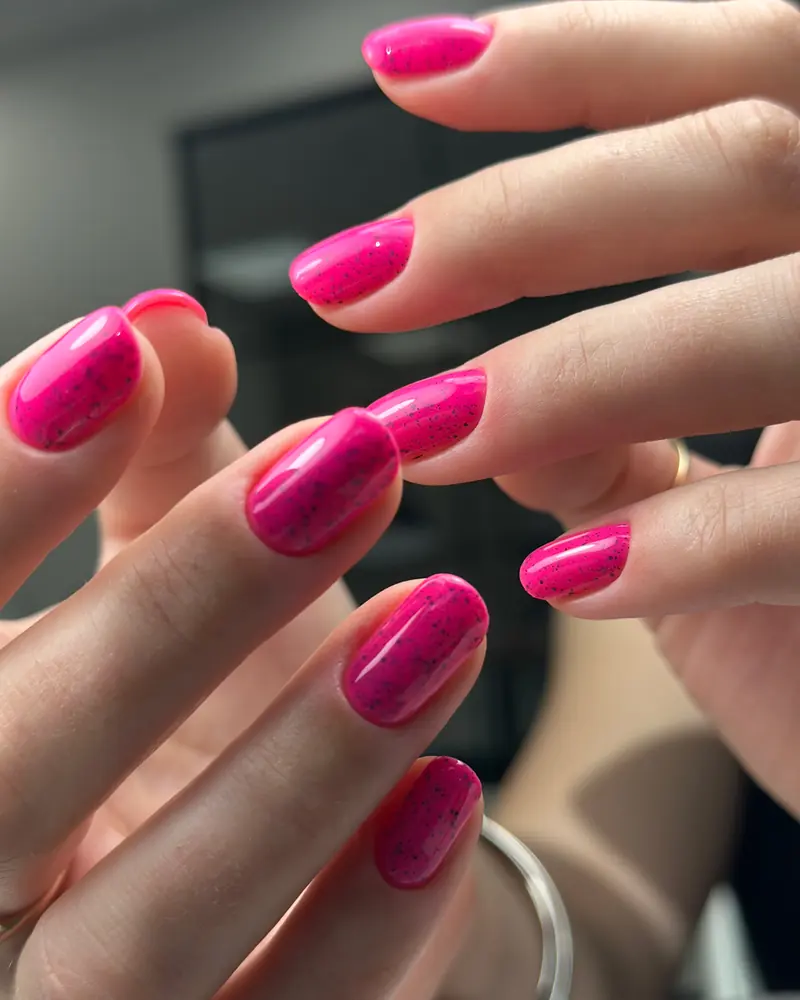
This can help the gel sit closer to the cuticle line and make the manicure look cleaner as it grows out. This waterless e-file approach is also the foundation of modern foot care, such as the SMART pedicure technique.
Wear Time and Grow-Out
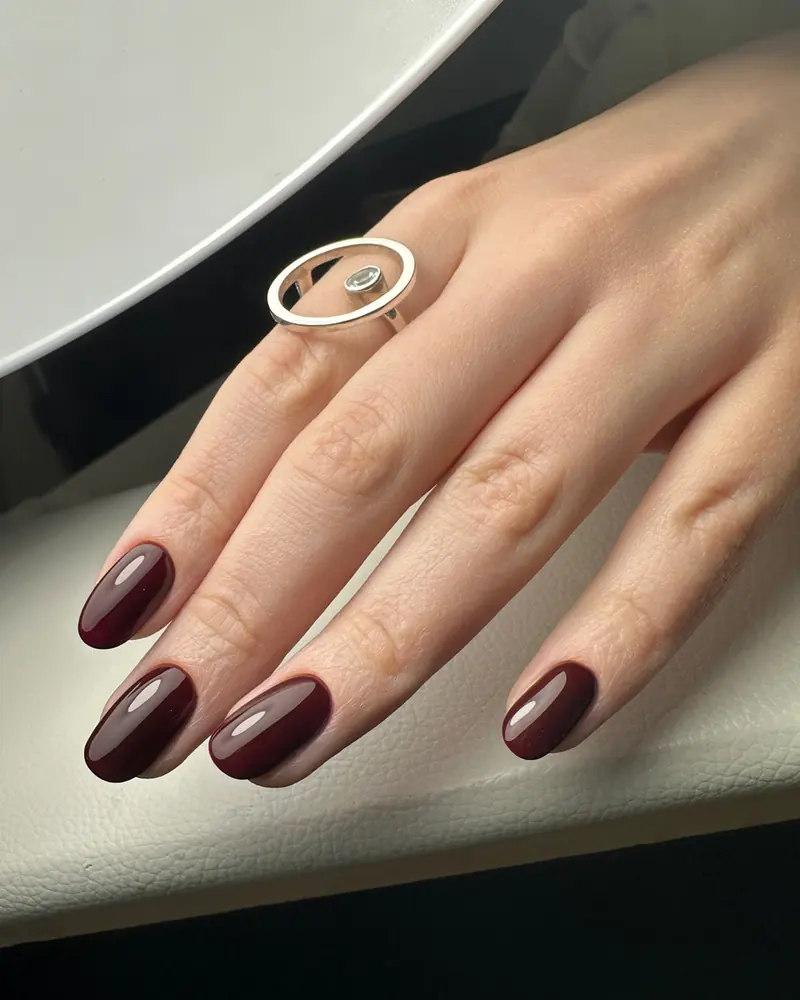
A regular polish manicure may last several days. Regular gel often lasts around two weeks. A well-done Russian gel manicure often lasts about 3 to 4 weeks, depending on nail growth, structure, and aftercare.
If your nails are flexible or break easily, builder gel may help support the manicure better than gel polish alone.
Safety Depends on Technique
Russian manicure requires training and control. It should not involve bleeding, burning, or sharp pain. Tools should be properly sterilized, and the technique should be adapted to your nail and skin condition. Learn more in our checklist on whether Russian manicure is safe.
Russian Manicure at Darlings Beauty Lab
At Darlings Beauty Lab in NoMad, Manhattan, we focus on clean prep, sterile tools, balanced shape, and a polished finish. We help clients choose Russian gel manicure, builder gel, no-polish manicure, or another nail service based on what their nails actually need.
Want a cleaner, more detailed manicure? Book Russian manicure at Darlings Beauty Lab in NoMad, Manhattan.