Russian manicure is known for detailed cuticle work and a very clean gel finish. But like any technique performed close to the skin, it depends heavily on training, hygiene, pressure control, and judgment.
The service is not automatically unsafe, and it is not automatically safe either. The difference is the salon, the technician, the tools, and whether the technique is adapted to the client’s nails (see our guide on how to choose the best Russian manicure salon in Manhattan).
At Darlings Beauty Lab in NoMad, our Russian manicure services focus on controlled prep, clean tools, and a refined finish without treating pain or bleeding as normal.
Quick answer: Yes, a Russian manicure is a controlled, gentle, and highly safe technique when performed by certified technicians adhering to strict medical autoclave sterilization (134°C) and controlled e-file bits. The dry technique is designed to prevent pain, burning, or bleeding, preserving your natural nail plate and proximal fold.
When Russian Manicure Can Be Safe
Russian manicure can be performed safely when the technician understands the anatomy of the nail area, works with controlled e-file movement, uses appropriate bits, and avoids aggressive removal of living tissue.
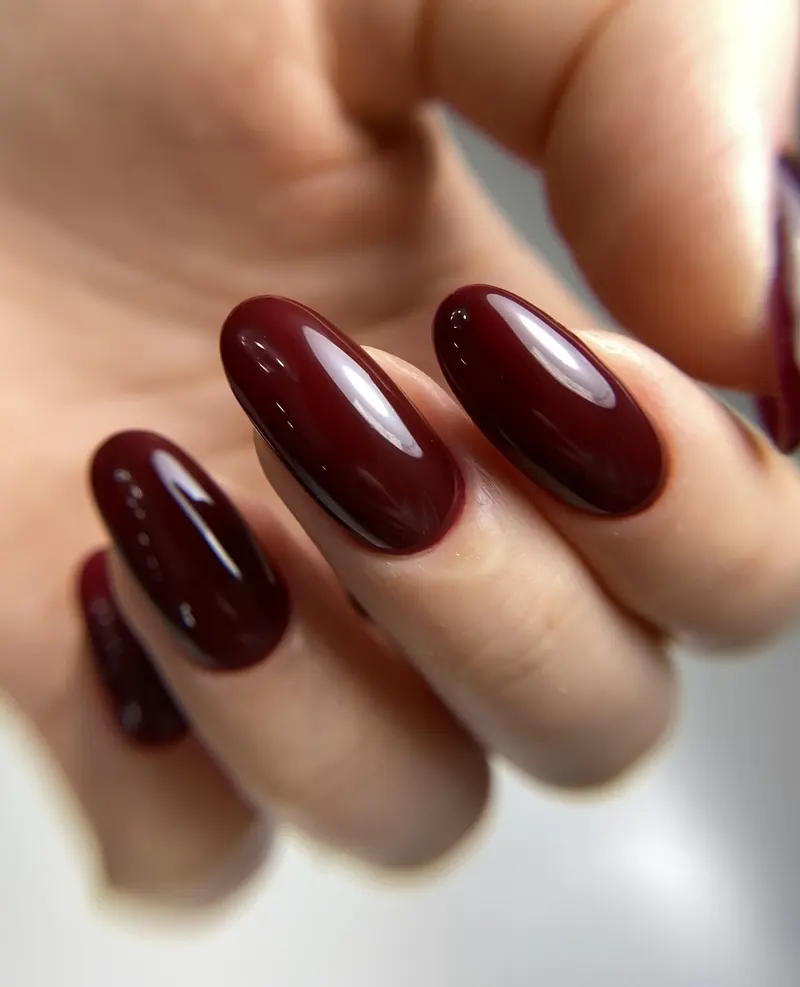
A safe appointment should feel precise, not harsh. Some pressure or vibration can be normal. Sharp pain, burning, or bleeding should not be treated as part of the result.
Warning Signs to Watch For
- Bleeding during the service.
- Burning sensation from the e-file.
- Tools that do not appear properly sterilized.
- Rushed appointment with aggressive cuticle work.
- Redness, swelling, or pain after the service.
If you have open skin, infection, severe irritation, or medical concerns, skip the salon appointment and speak with a medical professional.
Hygiene Matters More Than Marketing
Beautiful photos do not prove safe technique. Ask how tools are cleaned, whether disposable items are used where appropriate, and how stations are prepared between clients.
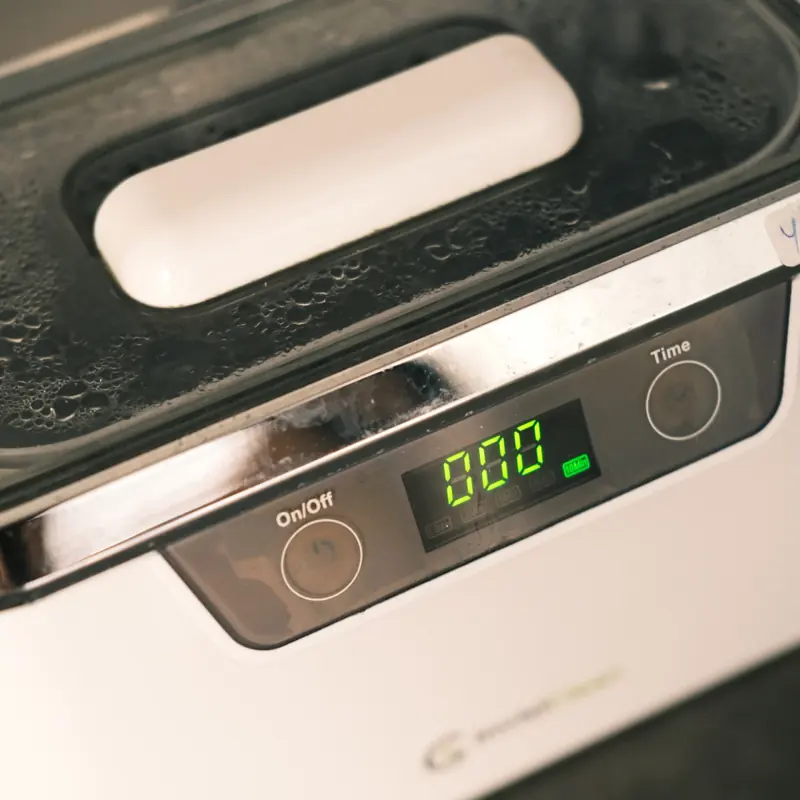
Because Russian manicure involves detailed work near the cuticle area, verified medical-grade sterilization standards should be part of how you choose a salon. When performed with calibrated bits, this meticulous dry prep is also what allows the manicure to last 3 to 4 weeks cleanly without premature peeling.
Russian Manicure at Darlings Beauty Lab
At Darlings Beauty Lab, we focus on clean prep, balanced shape, proper product choice, and a calm appointment experience. Our specialists evaluate nail condition before choosing the level of prep and product structure.
Clients looking for additional strength can also consider builder gel manicure when natural nails need support.
Before You Book
Choose Russian manicure if you want a detailed, clean cuticle line and a polished gel finish that outperforms traditional water-soaked manicures. Avoid booking if the skin around your nails is actively irritated, broken, infected, or painful.
If you are unsure, book a service and discuss your nail condition with the specialist before the manicure begins.
Want a detailed manicure with clean technique? Book a Russian manicure at Darlings Beauty Lab in NoMad, Manhattan.