Classic Facial
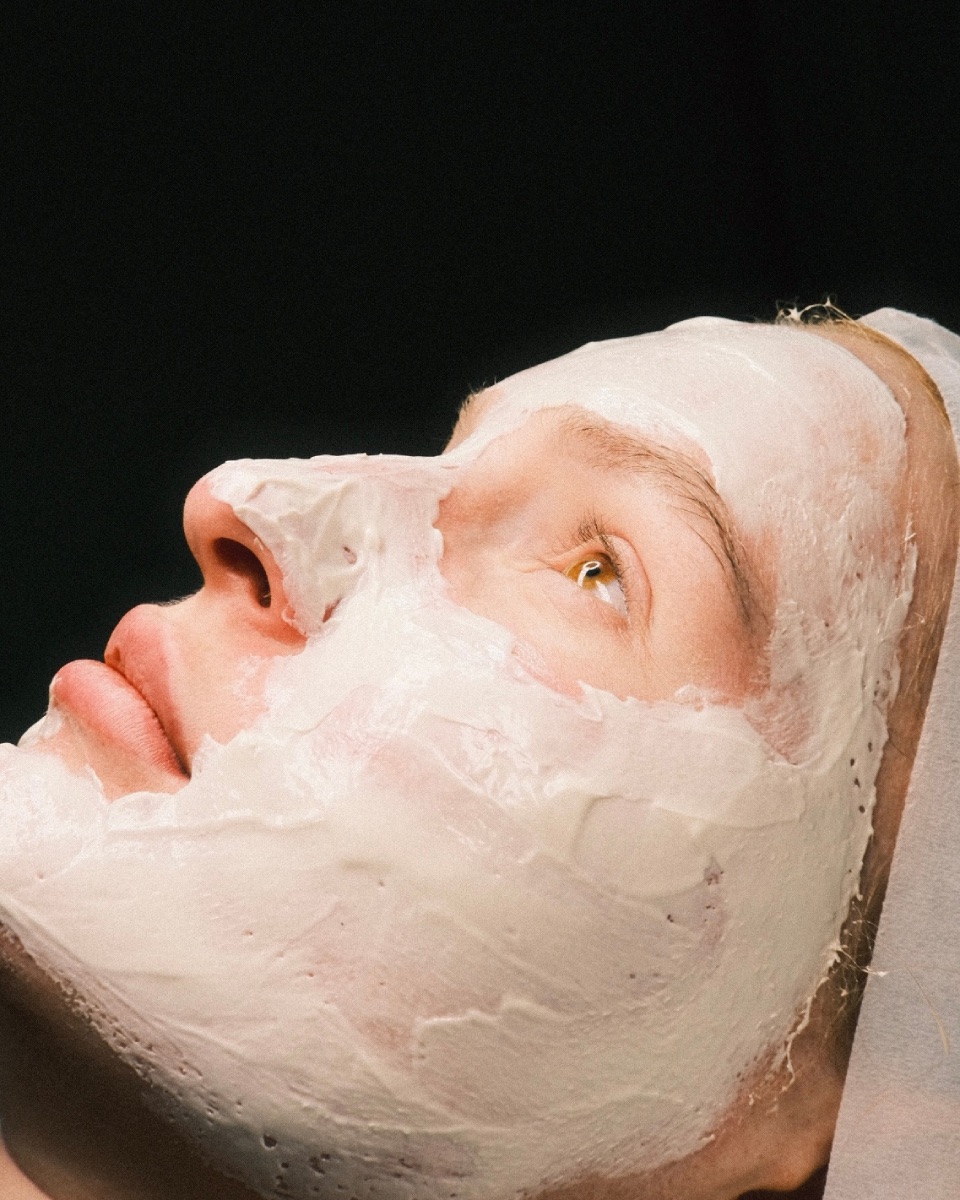
The perfect entry-level treatment for normal, dry, or dull skin — and ideal for clients visiting a cosmetologist for the first time. Includes a short personal consultation with your specialist.
Professional deep pore cleansing and acne facials that target congestion, inflammation, and acne-prone skin concerns. Mediderma & Face Reality protocols, LED therapy, ultrasound, and personalized care for every skin type.
Swipe sideways to view the gallery
Two professional protocols designed for different skin needs: from first-time clients to those dealing with active acne and persistent blemishes.
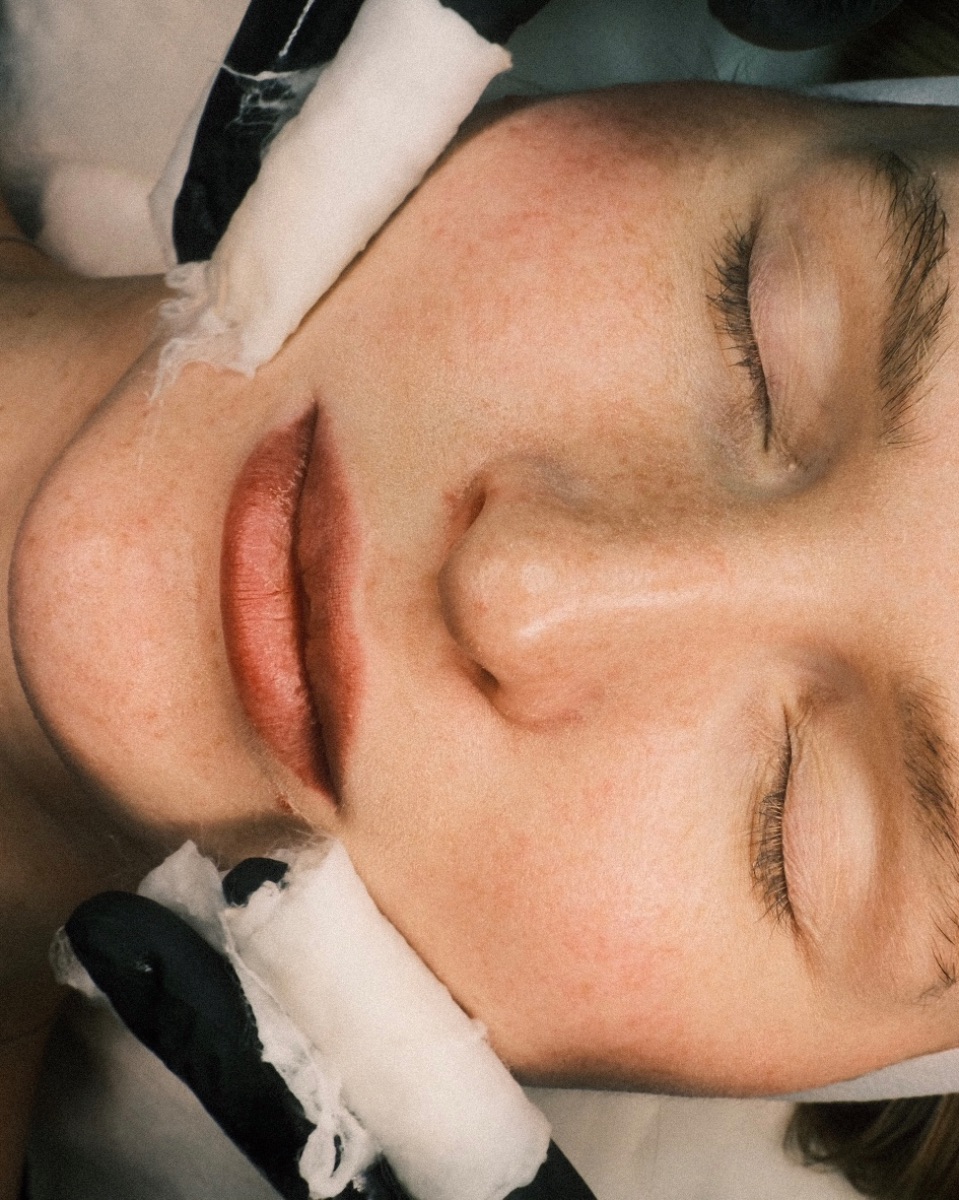
The perfect entry-level treatment for normal, dry, or dull skin — and ideal for clients visiting a cosmetologist for the first time. Includes a short personal consultation with your specialist.
A comprehensive deep-cleansing protocol for clients with active acne, blackheads, and congested pores. Combines manual, ultrasound, and light-based techniques for visible, lasting results.
Deep pore cleansing is a professional facial procedure that removes sebum, dead skin cells, and bacteria from deep within the pores — something regular washing at home simply cannot achieve.
The skin is thoroughly cleansed and softened. Steam or softening gels open the pores, making extractions more effective and dramatically less uncomfortable.
The specialist carefully removes blackheads and comedones by hand using professional tools. Each blemish is treated individually to minimize tissue trauma.
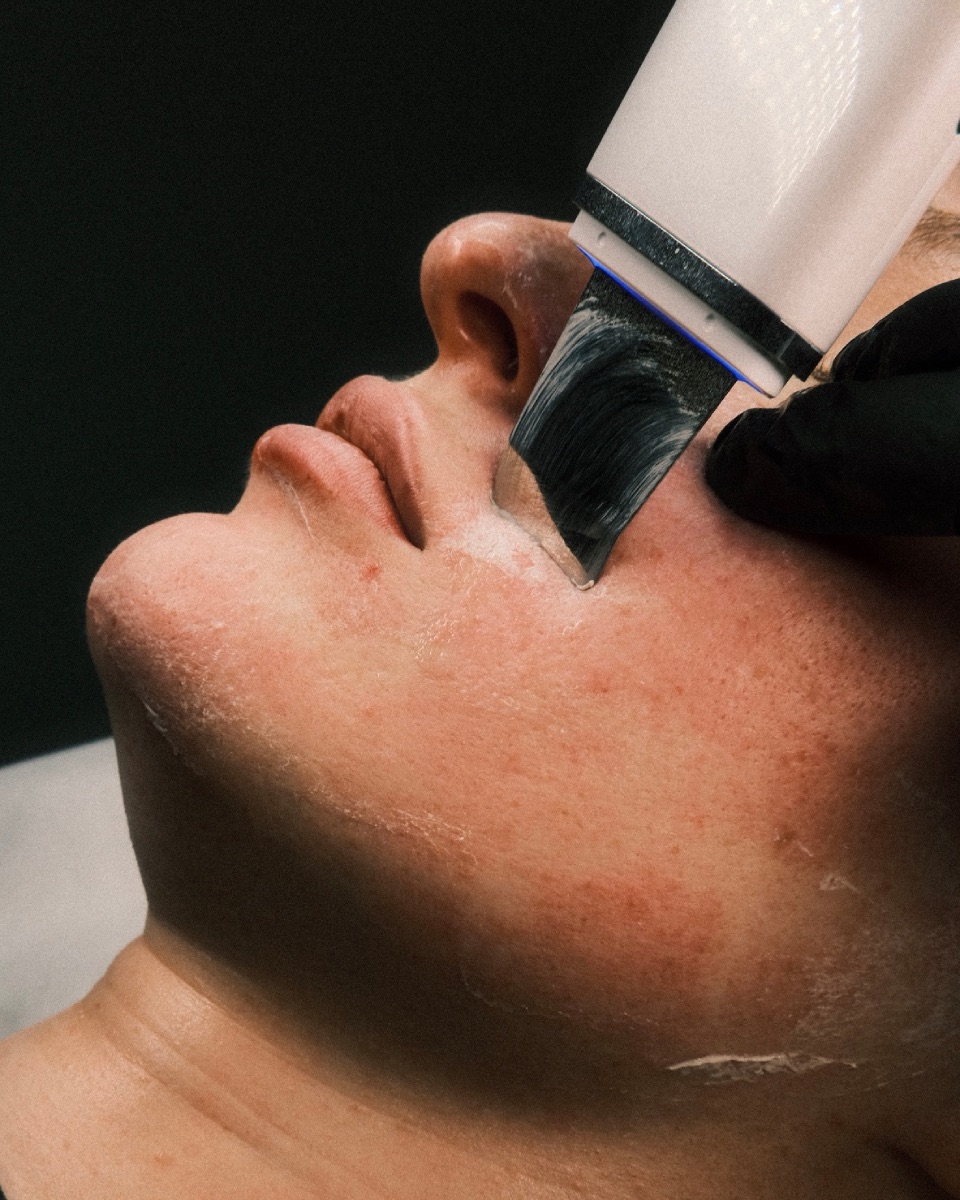
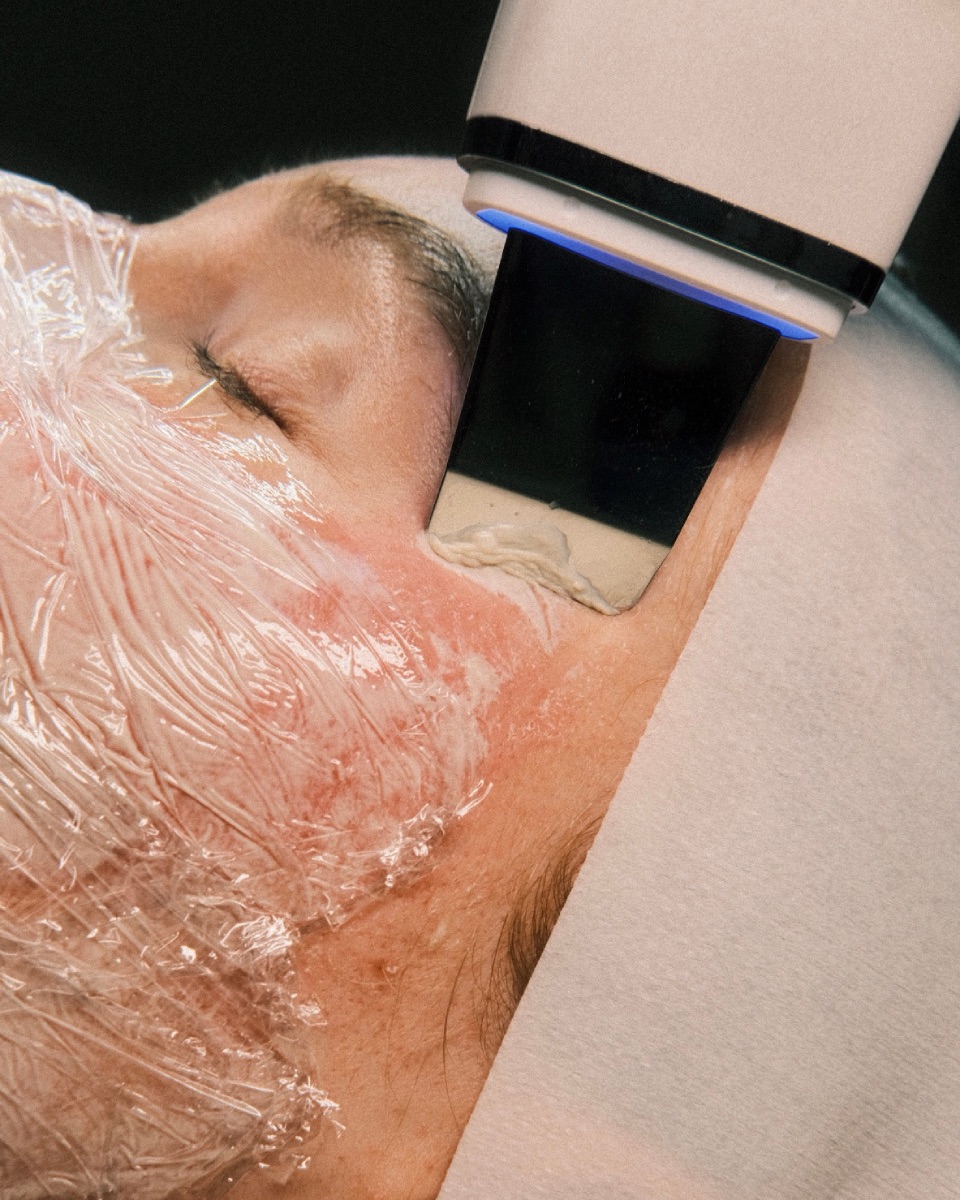
A spatula-shaped ultrasound device vibrates at high frequency to dislodge sebum and dead cells from inside the pores without pressure or discomfort.
Blue LED light targets the bacteria responsible for acne, while red light reduces inflammation and redness. The skin calms visibly after a single session.
A professional-grade peel from Mediderma or Face Reality accelerates cell turnover, fades post-acne marks, and unclogs remaining congestion at a cellular level.
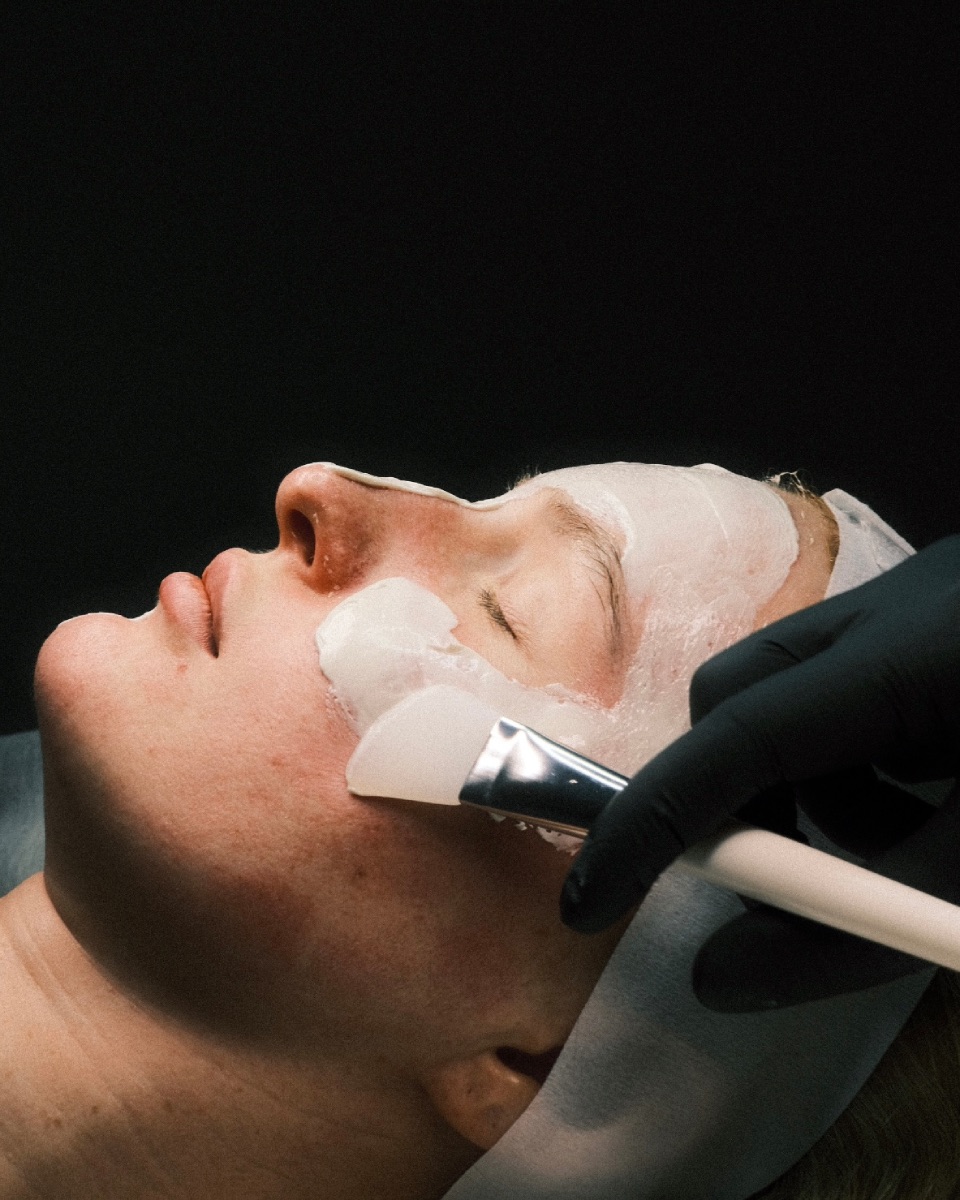
The treatment closes with a calming mask, moisturizer and SPF — restoring the skin's protective barrier and preventing irritation after extraction.
Acne is not about being dirty. It's a complex physiological process with multiple contributing factors — most of which require professional intervention to properly address.
Hormones — especially androgens — stimulate the sebaceous glands to produce more oil than the skin needs. This excess sebum mixes with dead skin cells and becomes the foundation of every blocked pore.
When dead skin cells do not shed properly, cells accumulate inside the pore and trap sebum — forming a microcomedone that becomes a blackhead or whitehead.
Cutibacterium acnes lives on all skin, but thrives inside oxygen-deprived, sebum-filled pores. Its waste products trigger redness, swelling, and pus.
When the follicle wall ruptures, sebum and bacteria spill into surrounding tissue. The immune system responds with inflammation, creating painful cysts and nodules.
Puberty, menstrual cycles, pregnancy, stress, and certain medications alter hormone levels and affect sebum production. This is why acne can worsen at any age.
Comedogenic products, over-cleansing, skipping SPF, or harsh anti-acne products can worsen congestion and trigger more sebum production.
This is one of the most common questions we hear — and it deserves an honest, detailed answer.
Your skin always has blemishes at different stages — microcomedones, forming breakouts, active lesions, and healing spots. A single treatment can only address what is currently accessible.
The epidermis renews itself approximately once a month. Peels and professional treatments accelerate this process, but visible improvement usually appears after 2-3 sessions.
Forcing all extractions in one session can cause tissue damage, broken capillaries, and a higher risk of post-inflammatory hyperpigmentation.
Even after successful extraction, surrounding tissue remains inflamed. Continuing in those areas increases pain, bruising, and infection risk.
Hormones, diet, stress, and incorrect skincare can keep triggering new breakouts. That is why every visit includes a specialist consultation.
For mild congestion or preventive care: 1 treatment every 4-6 weeks. For active acne or moderate breakouts: 4-6 treatments every 3-4 weeks. For persistent or cystic acne: monthly maintenance after the initial course. Results become clearly visible after the 2nd-3rd session in most cases.
For 3-5 days after extractions or peels, avoid retinol, AHA/BHA acids, scrubs, heat, sauna, steam rooms, intense workouts, picking, and heavy makeup. Keep your routine gentle: cleanse softly, use a non-comedogenic moisturizer, and apply SPF 30+ every morning.
The honest answer — sometimes, under specific conditions. But here's what actually happens in both scenarios.
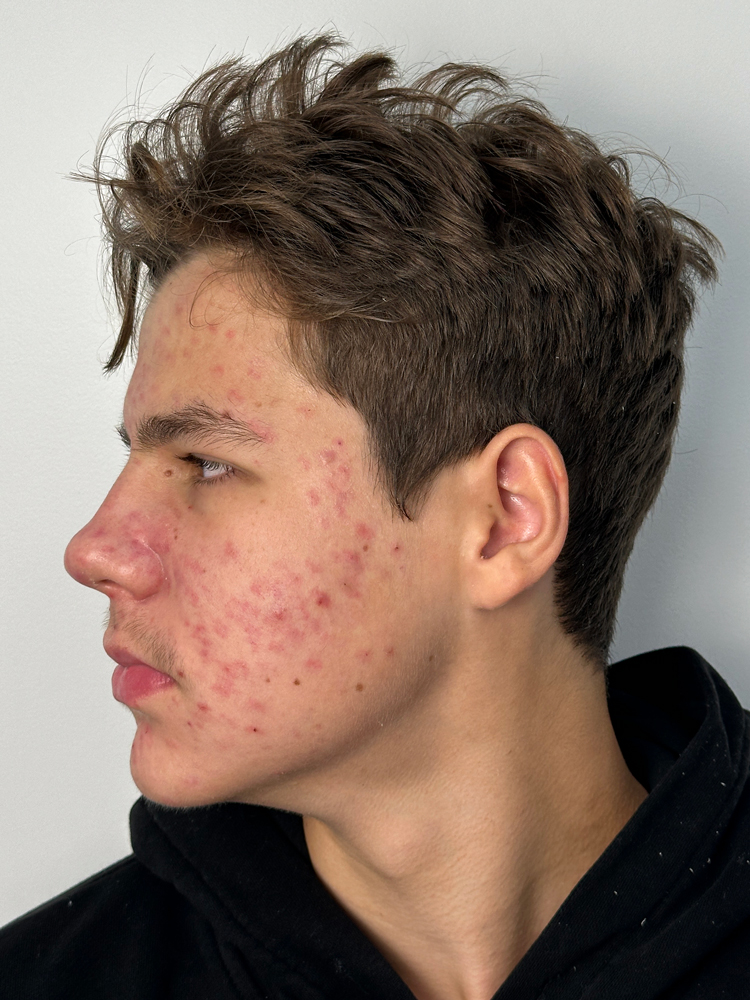
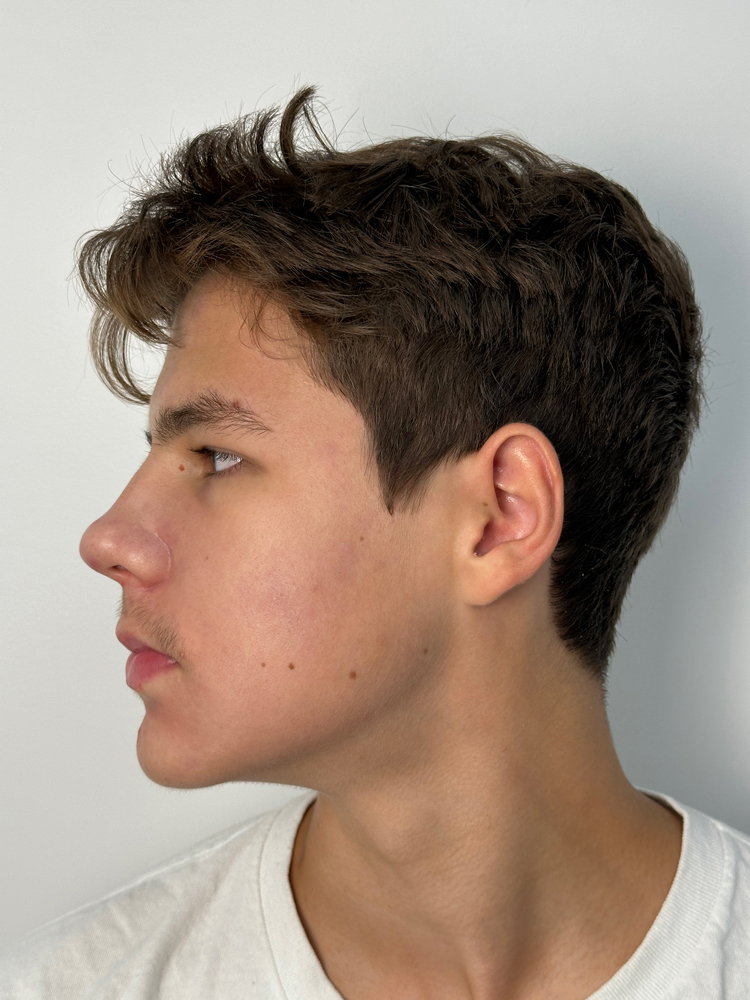
Deep Pore Cleansing — series of professional acne facials. Same client, photographed in the same conditions before and after treatment.
Results vary. Individual outcomes depend on skin type, severity, and adherence to the recommended treatment course.
Watch examples of professional acne-focused facial care and deep pore cleansing at Darlings Beauty Lab in NoMad, Manhattan.
Need to know
Some redness and minor swelling are completely normal for 24-48 hours after deep pore cleansing. This is your skin's natural response to extraction. It is not a sign that something went wrong — it means the treatment worked. Most clients can return to their regular routine the following day. We recommend scheduling your appointment a few days before any important events.
Extraction can feel uncomfortable, especially around the nose and chin where pores tend to be deeper. However, proper skin softening makes it significantly more tolerable than home extractions. Most clients describe it as mild pressure, not pain. Ultrasound cleansing is entirely painless. If you have low pain tolerance, please let your specialist know at the start of the session.
Come with clean skin, free of makeup. Avoid using retinol, AHA/BHA acids, or any active exfoliants for 3-5 days before your appointment, as they can make the skin more sensitive. Do not squeeze or attempt extractions in the days leading up to your session — it increases inflammation and complicates professional treatment.
Yes — in fact, active breakouts are exactly when this treatment is most beneficial. The Acne Facial Treatment is specifically designed for congested, blemish-prone skin. The only contraindication is open wounds, very fresh picking damage, or skin conditions like severe rosacea — please consult with your specialist if you're unsure.
Your specialist will provide personalized recommendations after your first session based on your skin type and concerns. Generally: a gentle cleanser, non-comedogenic moisturizer, and SPF 30+ daily are the foundation. You may be advised to incorporate salicylic acid, niacinamide, or a retinoid — but always under professional guidance when managing acne-prone skin.
Most clients notice a meaningful improvement after their first session — less congestion, smaller-looking pores, and more even texture. Significant and lasting clearance of acne typically requires a course of 4-6 treatments spaced 3-4 weeks apart. Maintenance sessions once a month help prevent new breakouts from forming. Every skin is different, and your specialist will discuss realistic expectations at your consultation.